
How to Build a Consistently Profitable Trading System From Scratch

Step 1: Define Your Market and Trading Style

Most traders fail before they even place a trade because they try to do everything at once. Stocks, options, crypto, scalping, swing trading—it becomes noise. The first decision is narrowing your focus.
Pick one market and one timeframe. If you're working a full-time job, intraday scalping is unrealistic. Swing trading on daily charts is far more sustainable. If you want faster feedback loops, lower timeframes can work—but only if you can commit consistent screen time.
Clarity here removes decision fatigue. You're not guessing what to trade—you already know.
- Market: Stocks (large-cap vs small-cap)
- Style: Swing trading or day trading
- Timeframe: 5-min, 1-hour, or daily charts
Step 2: Build a Simple, Repeatable Strategy
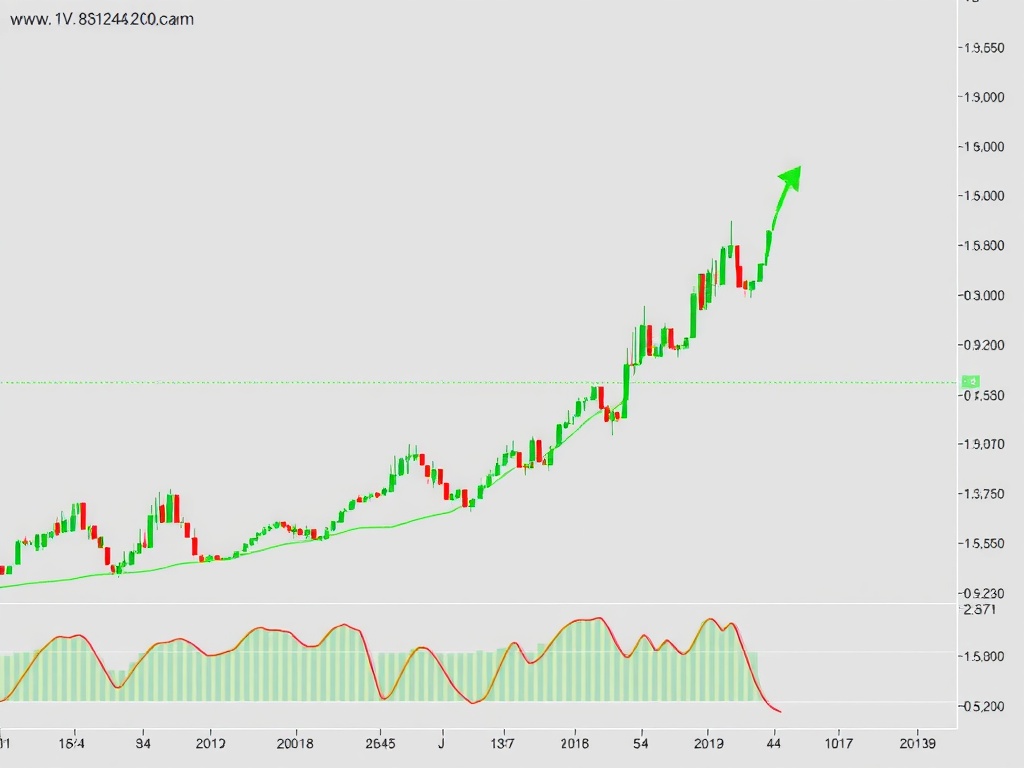
A trading system is not a collection of random indicators. It's a repeatable pattern with defined entry, exit, and invalidation.
Start with one core setup. For example: breakout trading. You wait for price to consolidate, break resistance, and enter on confirmation. That's it.
Keep it simple. Complexity doesn't improve performance—it just hides mistakes.
- Entry: Break above resistance with volume
- Stop loss: Below consolidation range
- Target: 2:1 or 3:1 risk-reward
The goal is consistency, not creativity.
Step 3: Define Risk Before Profit
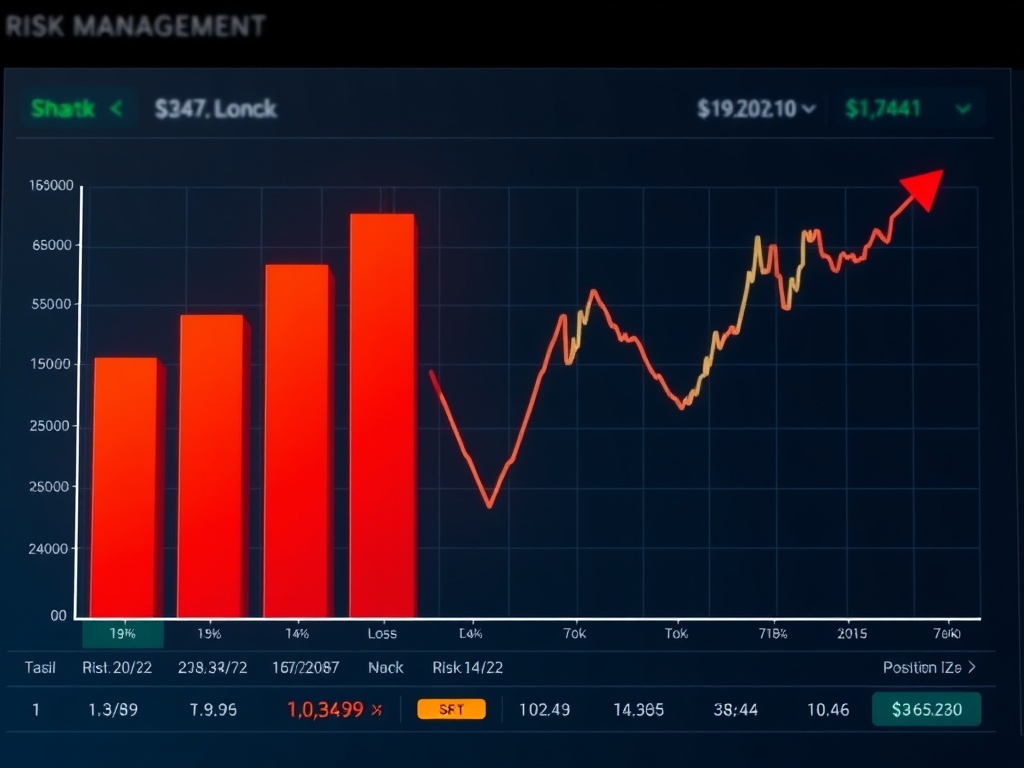
Professional traders think in terms of risk first. If you don't define your downside, your upside is meaningless.
Decide how much you're willing to lose per trade. A common rule is 1% of your account. With a $10,000 account, that's $100 risk per trade.
This single decision protects you from blowing up. No trade can destroy your account.
- Set fixed risk per trade (0.5%–2%)
- Use stop losses every time
- Adjust position size based on risk
Step 4: Create a Trading Checklist

Emotion disappears when rules are written down. A checklist ensures you only take high-quality trades.
Before every trade, run through your checklist:
- Is the market trending or ranging?
- Does this match my setup?
- Is volume confirming the move?
- Is risk/reward acceptable?
If any answer is "no," skip the trade. Discipline is your edge.
Step 5: Backtest and Forward Test
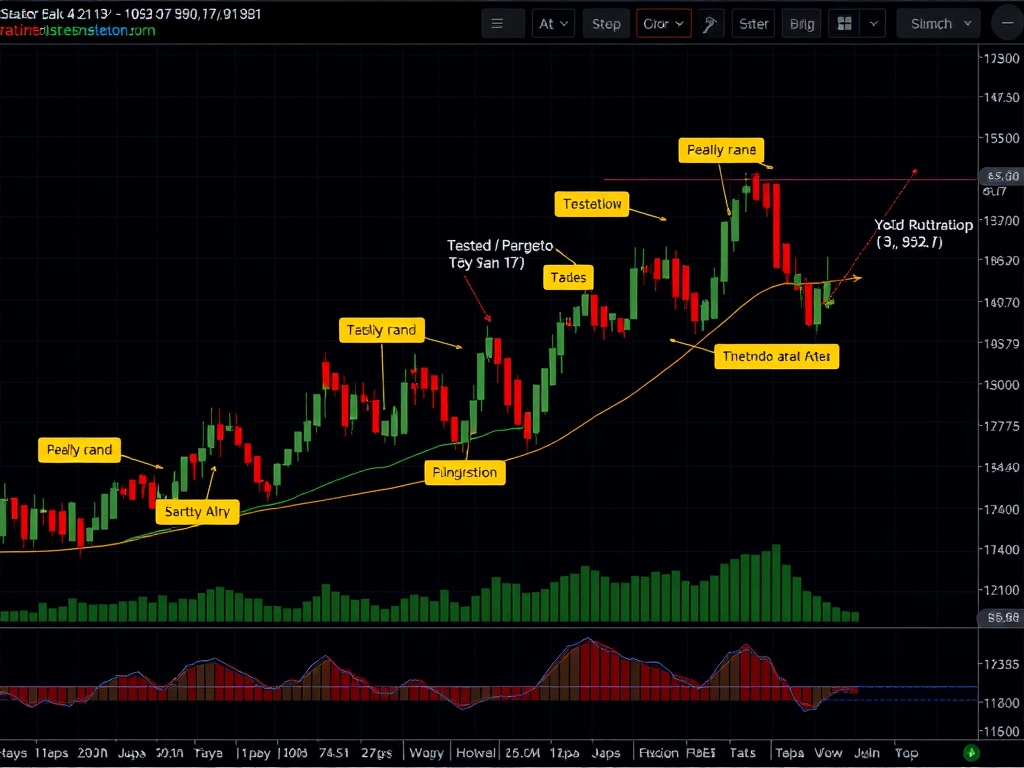
A strategy without testing is just a guess. Backtesting shows whether your edge exists.
Go through historical charts and simulate trades. Track results: win rate, average gain, average loss. You're looking for statistical consistency.
Then forward test in real time using small size or paper trading. This bridges the gap between theory and execution.
Step 6: Track Every Trade and Review Weekly
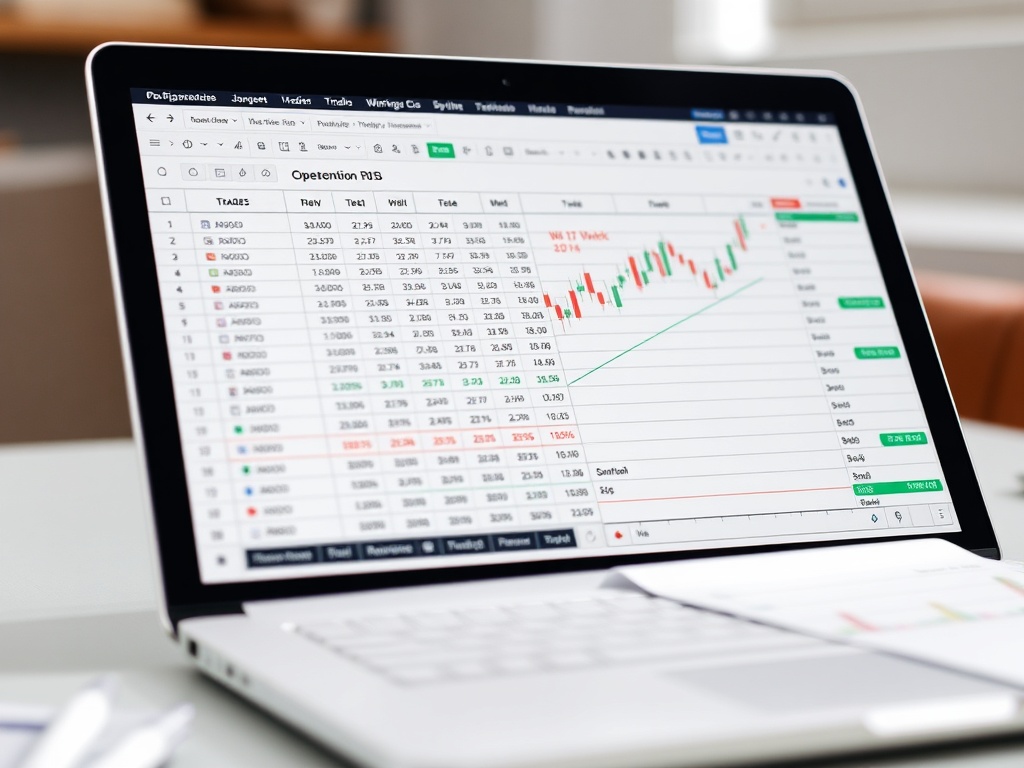
The fastest way to improve is to measure everything. Most traders skip this—and stay stuck.
Log every trade:
- Entry and exit
- Setup type
- Risk taken
- Outcome
- Mistakes
At the end of each week, review your trades. Patterns will emerge—both good and bad.
Step 7: Eliminate Emotional Trading

Fear and greed destroy consistency. The solution isn't motivation—it's structure.
When your system is clear, your job is execution. You are not predicting—you are following rules.
Reduce emotional interference by:
- Predefining trades before entry
- Using alerts instead of staring at charts
- Accepting losses as part of the system
Step 8: Scale Only After Proven Consistency

Scaling too early is one of the fastest ways to lose progress. First prove your system works.
Consistency means:
- At least 50–100 trades
- Positive expectancy
- Controlled drawdowns
Only then should you increase position size gradually.
Step 9: Continuously Refine, Not Reinvent

Most traders sabotage themselves by constantly switching strategies. Instead, refine what already works.
Improve execution, timing, and risk control. Small tweaks compound over time.
Final Thoughts
A profitable trading system is not built overnight. It's built through repetition, data, and discipline. The traders who succeed are not the smartest—they're the most consistent.
Focus on process over outcome. If you execute your system correctly, profits follow.
Steps
- 1
Define Your Market and Trading Style
- 2
Build a Simple, Repeatable Strategy
- 3
Define Risk Before Profit
- 4
Create a Trading Checklist
- 5
Backtest and Forward Test
- 6
Track Every Trade and Review Weekly
- 7
Eliminate Emotional Trading
- 8
Scale Only After Proven Consistency
- 9
Continuously Refine, Not Reinvent