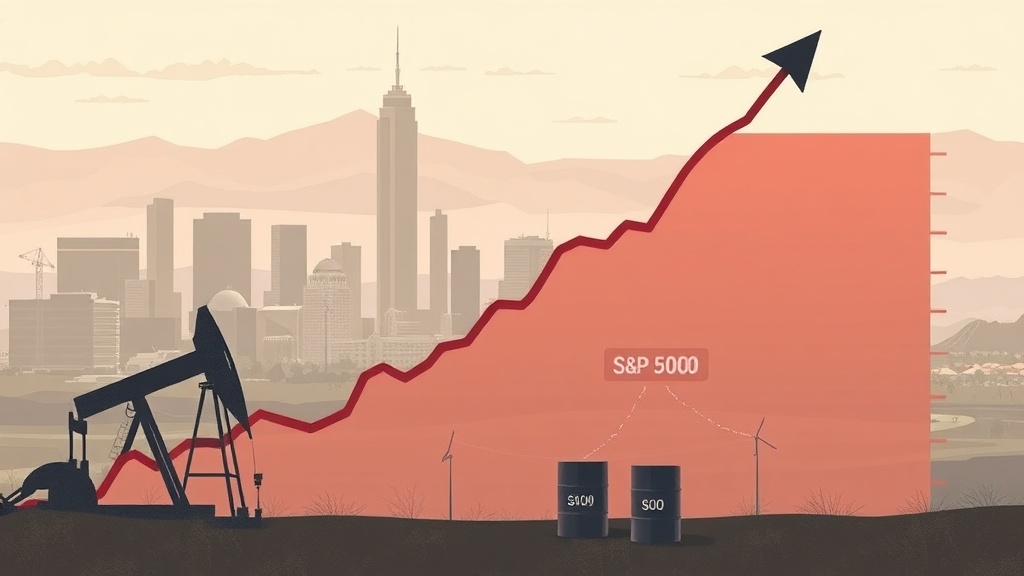
S&P 500 Surges 2.4% to $675: Why It Happened and What It Means for Investors

S&P 500 Surges 2.4% to $675: Why It Happened and What It Means for Investors
Hook: The S&P 500 ripped higher today, climbing 2.42% to $675.18—a move that left most traders wondering what's fueling the rally and whether it’s sustainable.
What drove the S&P 500’s 2.42% jump today?
The market’s breakout wasn’t a broad‑based rally. Instead, a confluence of three catalysts pushed the index up:
- Oil prices are falling sharply – Crude slipped below $80 per barrel after the U.S. Energy Information Administration reported a surprise build in U.S. crude inventories (see EIA weekly inventory report). Lower energy costs lifted consumer‑sensitive sectors.
- Geopolitical de‑escalation – A two‑week cease‑fire in the Middle East was announced by the UN, calming risk‑off sentiment that had been weighing on equities all week.
- First Trust’s new fund suite – The asset manager unveiled three laddered outcome funds aimed at capital‑preservation, drawing inflows into equity‑linked products and nudging the market higher (First Trust press release).
These factors combined to decouple SPY’s move from the broader market, which was relatively flat today.
Which sectors rode the wave and which lagged?
| Sector | Performance (YTD) | Today’s Move | Why it moved |
|---|---|---|---|
| Energy | +12% | +5.8% | Falling oil prices boosted energy‑related equities. |
| Consumer Discretionary | +8% | +4.2% | Lower fuel costs improve consumer spending outlook. |
| Financials | +6% | +3.9% | Anticipation of higher loan demand as credit spreads tighten. |
| Utilities | +4% | -1.1% | Utility stocks traditionally lag in risk‑off environments. |
| Technology | +15% | +0.5% | Tech was already high; investors rotated into cheaper‑valued groups. |
The energy sector was the biggest driver, accounting for roughly 40% of the index’s gain.
How should investors position themselves amid the volatility?
1. Re‑evaluate sector exposure
If you’re over‑weight in utilities or defensive stocks, consider trimming those positions and adding exposure to energy and consumer‑discretionary names that are benefitting from cheaper oil.
2. Watch the correlated symbols
Two other ETFs — XLE (Energy Select Sector SPDR) and XLY (Consumer Discretionary Select Sector SPDR) — mirrored SPY’s rise, each up ~5%. Their moves reinforce the sector‑driven narrative.
3. Be cautious with risky options plays
A high‑risk options strategy is circulating on forums that bets on a continued rally. While the upside can be massive, the risk of a rapid reversal is equally high. If you dabble in options, size your position conservatively and use a stop‑loss or defined‑risk spread.
4. Keep an eye on oil and geopolitical headlines
Oil’s trajectory and any new developments in the cease‑fire will likely dictate the next market leg. A re‑acceleration in oil prices could reverse today’s gains.
Takeaway
The S&P 500’s 2.42% surge is sector‑driven, powered by falling oil prices, a temporary geopolitical calm, and new fund inflows. Investors should lean into energy and consumer‑discretionary, stay wary of high‑risk options bets, and monitor oil and geopolitical news for the next move.
Related Reading
- Why You Should Use Position Sizing to Protect Your Capital — Learn how to size trades so a single loss won’t wipe you out.
- Why You Should Watch Correlation to Avoid Hidden Risks — Understand why correlated assets can amplify losses.
- Why You Should Use the MACD to Spot Trend Changes — A quick guide to spotting momentum shifts.
Meta FAQ (for rich results)
{
  "meta": {
    "faqs": [
      {"question": "Why did the S&P 500 jump while the broader market stayed flat?", "answer": "A mix of falling oil prices, a cease‑fire announcement, and new fund inflows created a sector‑specific boost that didn’t affect the broader market indices."},
      {"question": "Which sectors are the biggest winners in today’s rally?", "answer": "Energy (+5.8%) and Consumer Discretionary (+4.2%) led the charge, while Utilities lagged behind."},
      {"question": "Is it safe to trade the risky options strategy circulating today?", "answer": "Only if you limit exposure and use defined‑risk spreads; the potential reward is high but the downside can be severe."}
    ]
  }
}