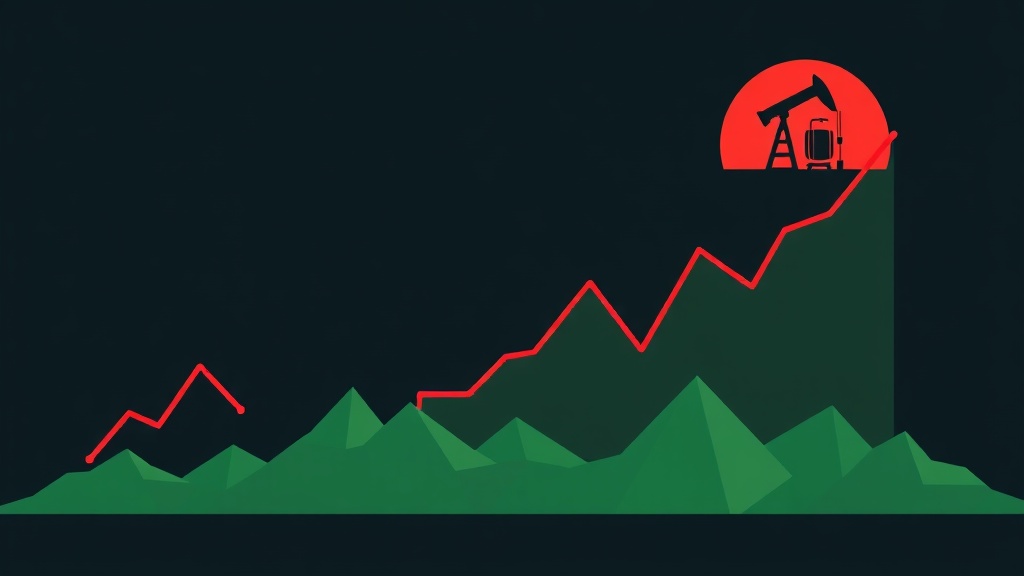
SPY Jumps 2.55% to $676.01 – Oil’s Collapse Fuels Broad Market Rally

What drove the SPY rally today?
In a surprise move, the S&P 500 ETF (SPY) surged 2.55% to $676.01. The catalyst? A sharp decline in oil prices, with Brent crude slipping more than 15% in a single session. The market cheered the news, seeing lower energy costs as a boost to consumer‑spending and corporate margins.
Which sectors rode the wave?
Energy stocks took the biggest hit, falling 4%‑5% as oil slid. By contrast, the technology and consumer discretionary sectors rallied 2%‑3%, lifting the broader index. Financials and industrials also posted modest gains, reflecting expectations of lower input costs.
What does the oil plunge mean for traders?
Lower oil translates to lower transportation and manufacturing expenses, which can improve profit forecasts across the board. However, the rapid drop also signals heightened volatility — a reminder that “risk‑first” thinking is essential. If you’re holding options, consider tighter stops or hedging with ATR‑based stop levels to protect against sudden reversals.
How should investors position themselves?
For the risk‑averse, the market‑wide move is a good time to reassess position sizing and diversify away from energy exposure. The market‑profile approach can help you spot value zones where the rally might stall. For more aggressive traders, the momentum in SPY suggests looking at short‑term breakout strategies, but always keep a stop loss.
What other symbols moved in lockstep?
Two other ETFs mirrored SPY’s trajectory: the Technology Select Sector SPDR (XLK) and the Industrial Select Sector SPDR (XLI), both up around 2.4%.
What’s the bigger picture?
Oil’s plunge is tied to a tentative cease‑fire announcement between the United States and Iran, which eased geopolitical risk premiums. As the market digests the news, expect continued upside for non‑energy sectors, but stay vigilant for any reversal if oil rebounds.
Takeaway
Today’s rally underscores how quickly macro‑events can reshape the market. Keep your risk management tight, watch the oil price closely, and consider rotating into sectors that benefit from lower energy costs.